




 Speak Up for Lakes! Advocacy Update and Training
Presented by the Lake Protection Coalition
Recorded January 13 & 15, 2026
Join Maine Lakes, Lake Stewards of Maine, and other members of the Lake Protection Coalition for a Speak Up for Lakes webinar this January. We have a rare opportunity to pass a major lake funding bill that would dedicate $2 million each year to the Lake Water Quality Protection and Restoration Fund. This fund supports watershed surveys, erosion mitigation, in-lake phosphorus treatments, research, and lake education. The bill would be funded by unclaimed bottle deposits, not the general fund, creating a sustainable, long-term investment in protecting Maine’s public waters. Industry opposition will be strong, and public voices will matter.
The interactive sessions will explain the bill, build your advocacy skills, and help you communicate effectively with legislators. Register for one of two webinars to gain the tools and confidence to speak before the Environment and Natural Resources Committee and help make this game-changing investment in Maine’s lakes a reality.
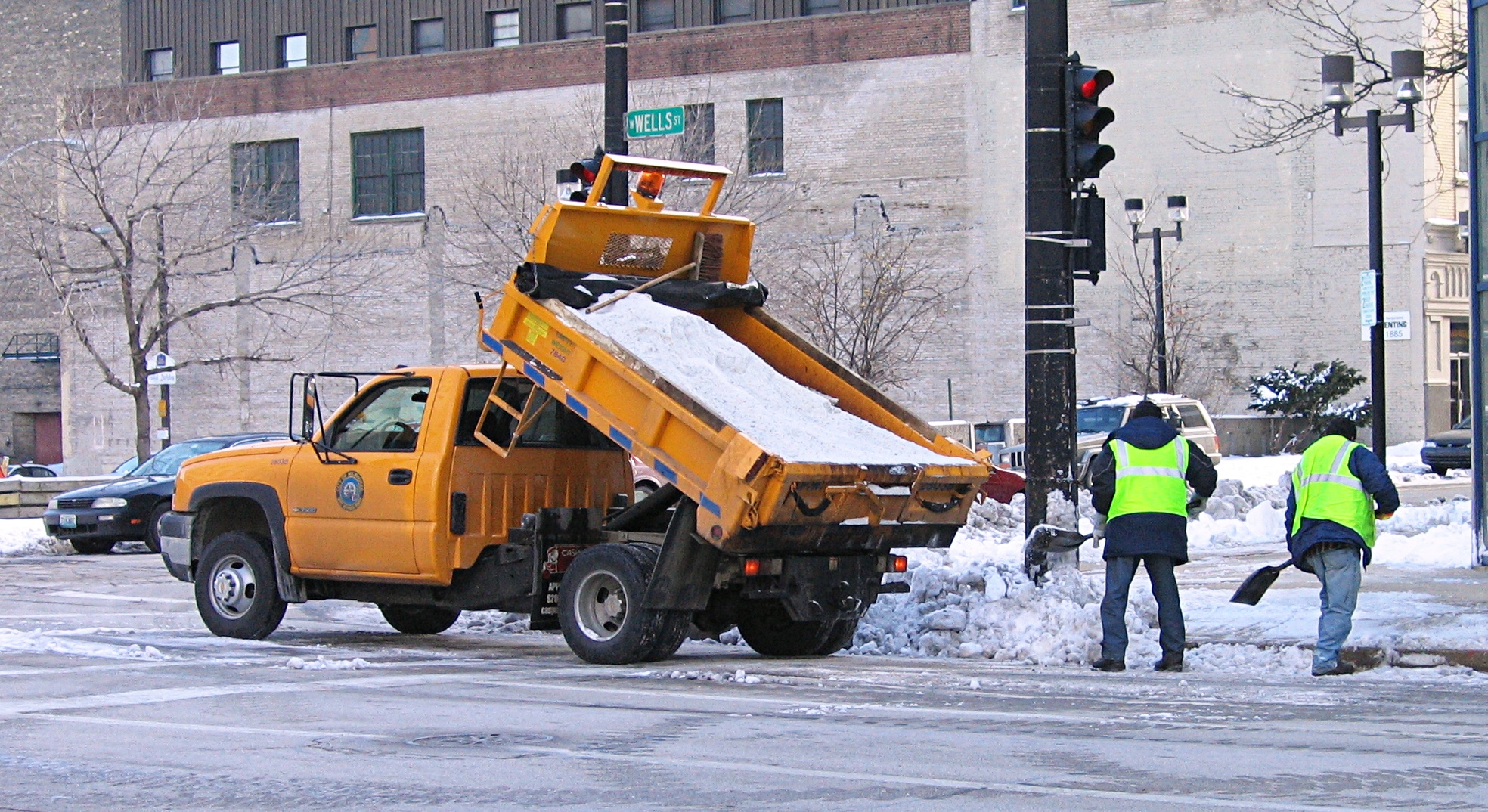 Salts in our Watershed
Presented by Karen Wilson, PhD, University of Southern Maine
Join us to learn about salt in our watersheds. The state of current research in this area and ongoing research from Dr. Wilson at the University of Southern Maine, who has collected over a decade of data on streams and ponds impacted by salt in her region.
 Relocating a Road and Adding Native Plantings to Protect Water Quality
Presented by Rebecca Jacobs, Boothbay Drinking Water District
March 18 at 12:30 pm
Boothbay Region Water District supplies water to the Boothbay peninsula from two open-source water supplies: Adams Pond and Knickerbocker Lake. As is common in New England, the roads surrounding Adams Pond are very close to the water supply, often less than 10 feet. To reduce non-point source pollution, the water district moved 1000’ linear feet of road frontage on Adams Pond and added nearly one acre of vegetated buffer in 2025. Learn about the process, successes, lessons learned, funding and the partnerships that made this project possible.
 How River Impacts Lead to Lake Impacts
Presented by John Field, PhD, Field Geology Services
April 1 at 12:00 pm
For decades, and in some cases centuries, rivers across Maine were used for annual log drives, some continuing into the 1970s. Many river channels were cleared of wood, boulders, and other obstructions, as well as straightened and dammed to ease the movement of logs downstream to mills. Many problems experienced on rivers and lakes today, including flooding and habitat degradation, are directly related to this bygone era. Sustainable solutions require understanding and addressing this legacy.
Dr. Field earned his Ph.D. in fluvial geomorphology and hydrology from the University of Arizona in 1994. After eight years as a university professor and more than 20 years as a consultant, he has assessed hundreds of miles of rivers worldwide and led the design and implementation of over 30 miles of restoration and bank stabilization projects, focused on using wood structures to sustainably enhance geomorphic and ecological function.
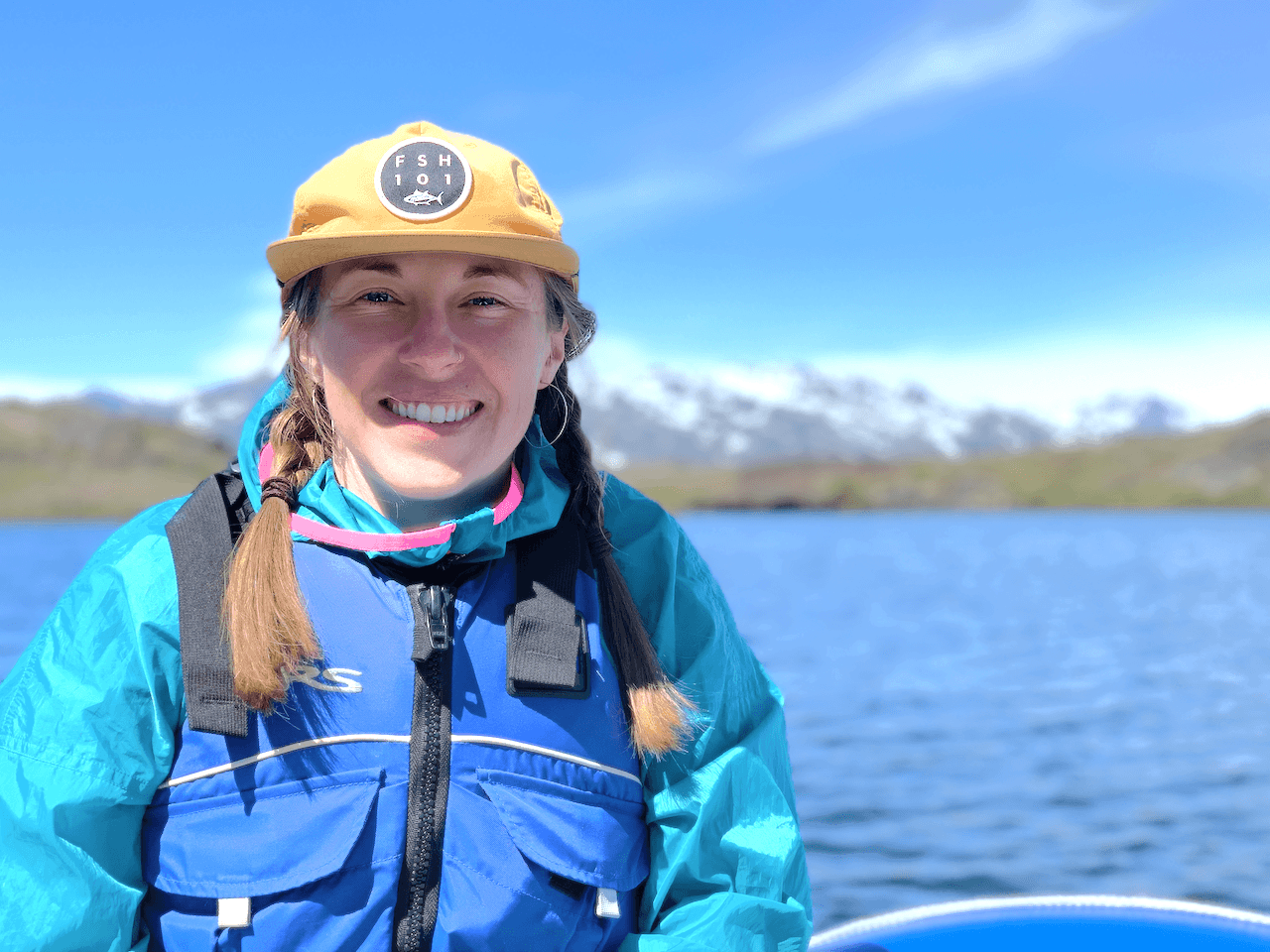 Lake linkages across northern latitudes: insights from interdisciplinary lake research in an agricultural, arctic environment and relevance to Maine
Presented by Amanda Gavin, PhD candidate, University of Maine
May 20 at 12:00 pm
The Arctic is lake-rich region that is warming four times faster than the global average, and climate change is altering the structure and function of lake ecosystems. South Greenland is the first known example of agriculture in the Arctic, where Inuit sheep-farmers are concerned about the impacts of climate change on lake ecosystems that are vital for drinking water and agricultural operations. To understand the interaction of climate change and agriculture in a subarctic environment, we integrate paleolimnological and contemporary limnological methods to disentangle these compound stressors. Like South Greenland, Maine has abundant, low-nutrient lakes that are experiencing ecological change driven by compound stressors. This talk will highlight the connections between Maine and Arctic lakes systems and demonstrate the value of interdisciplinary research and collaboration with local stakeholders.
Amanda Gavin is a PhD Candidate at the University of Maine. Her research questions focus on freshwater lake response to environment change, with an emphasis on community engagement and integration of knowledge sources. In South Greenland, Amanda’s research weaves contemporary and paleo-limnological techniques with Indigenous Knowledge towards a holistic understanding of carbon cycling and lake level in agricultural lake systems. In Maine, Amanda’s research focuses on mountain lakes and works to bridge gaps between science and policy. Prior to starting her PhD, Amanda spent nine years working in governmental, NGO, and private sectors of natural resource management and education, including five years surveying endangered fish habitat in the most remote corners of the Lower 48 with the US Forest Service and teaching environmental science for National Geographic.