




Aquatic Invasive Species Prevention
THIS PAGE IS CURRENTLY UNDER REDEVELOPMENT. THANK YOU FOR YOUR PATIENCE.
The introduction of non-native, invasive aquatic plant and animal species to the United States has been escalating with widespread destructive consequences. The impacts of the spread of invasive aquatic plants are well known: habitat disruption, loss of native plant and animal communities, reduced property values, impaired fishing and degraded recreational experiences, and enormous and ongoing control costs.
With over 6000 lakes and ponds, and thousands of miles of stream habitat, the task of preventing the spread of invasive aquatic species (IAS) in Maine waters is one of the greatest environmental challenges of our time. Invasive plants and animals are moved about in complex and often unseen ways, and the speed at which a new introduction can explode into an ecologically and economically disastrous infestation is well documented. Once an invader is well established, eradication is extremely difficult and costly, if not impossible.
Prevention is the first step to fighting this invasion, but no matter how comprehensive and aggressive our statewide prevention effort, some invasive organisms will slip through the cracks. In such cases, it is crucial that the invaders are detected as early as possible, before they have had an opportunity to cause significant damage or to spread to other waterbodies. Early detection provides the best hope of eradication.
The critical role volunteers play in this effort cannot be overstated!
Early detection of a new infestation provides the best hope of eradication. In cases where eradication is not possible, the earlier an infestation is detected, the greater the chance that the invasive plants can be managed effectively using low-impact methods. Maine needs an effective, statewide early detection system designed to screen the millions of acres of aquatic plant habitat on an ongoing basis.
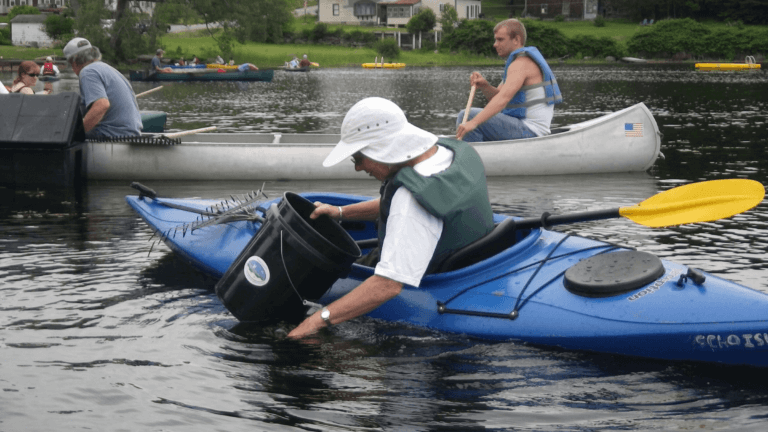
It is here that LSM’s trained volunteers play the extremely important role, acting as Maine’s widespread early detection network.
Since the first Invasive Plant Patrol (IPP) workshop in 2002, LSM has trained thousands of individuals to screen Maine waters for aquatic invaders. The program was specifically designed to engage widespread participation by individuals with varying amounts of time and expertise to commit to the endeavor, from those who simply want to be more knowledgeable when they are out recreating on their lake, to those who are conducting and leading comprehensive lake-wide surveys.
Quick resources:
Related Information

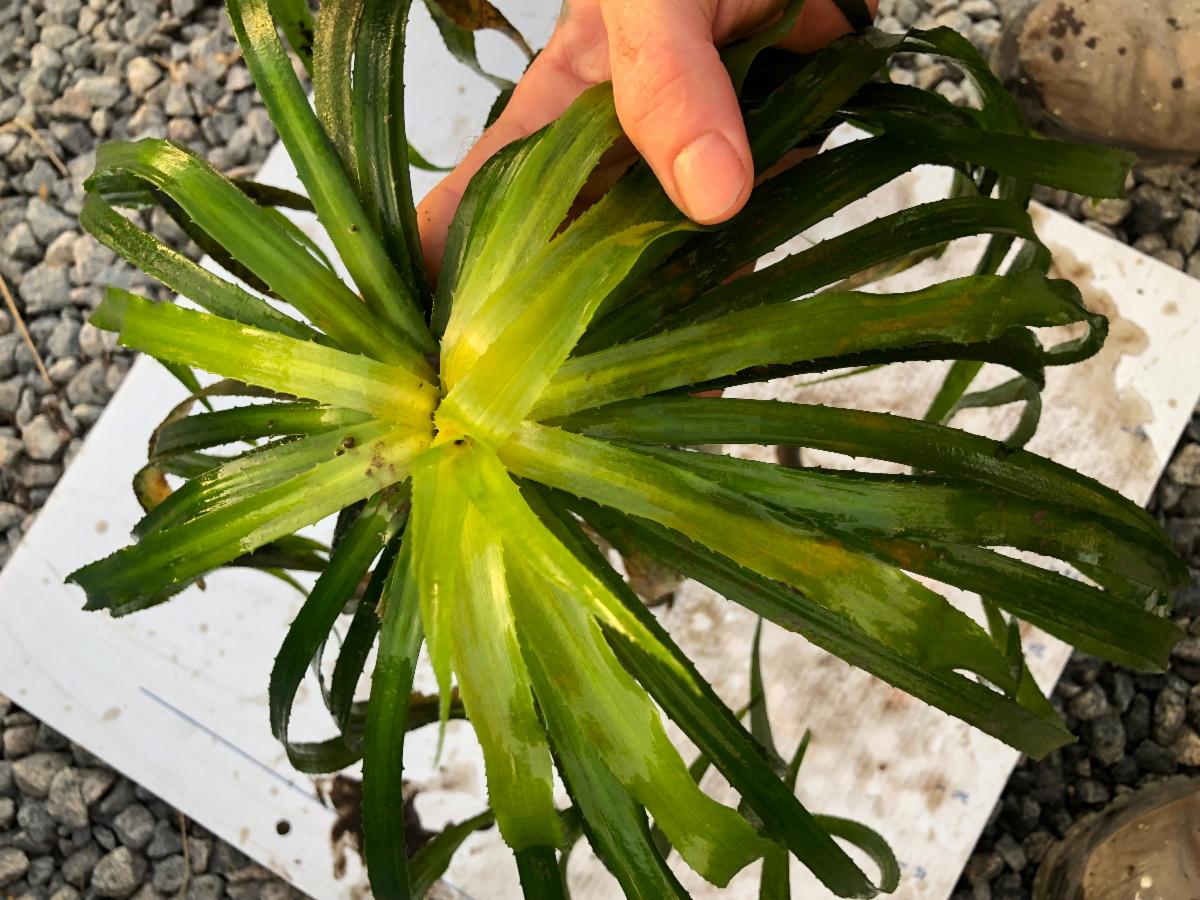
Webinar: Know Your Basal Rosette Plants
Webinar: Know Your Floating Leaf Plants – Copy Quick Links “Know Your Basal Rosette Plants Webinar” Recording available These plants, which feature leaves alternately arranged radiating out from a central base at substrate level, are numerous and
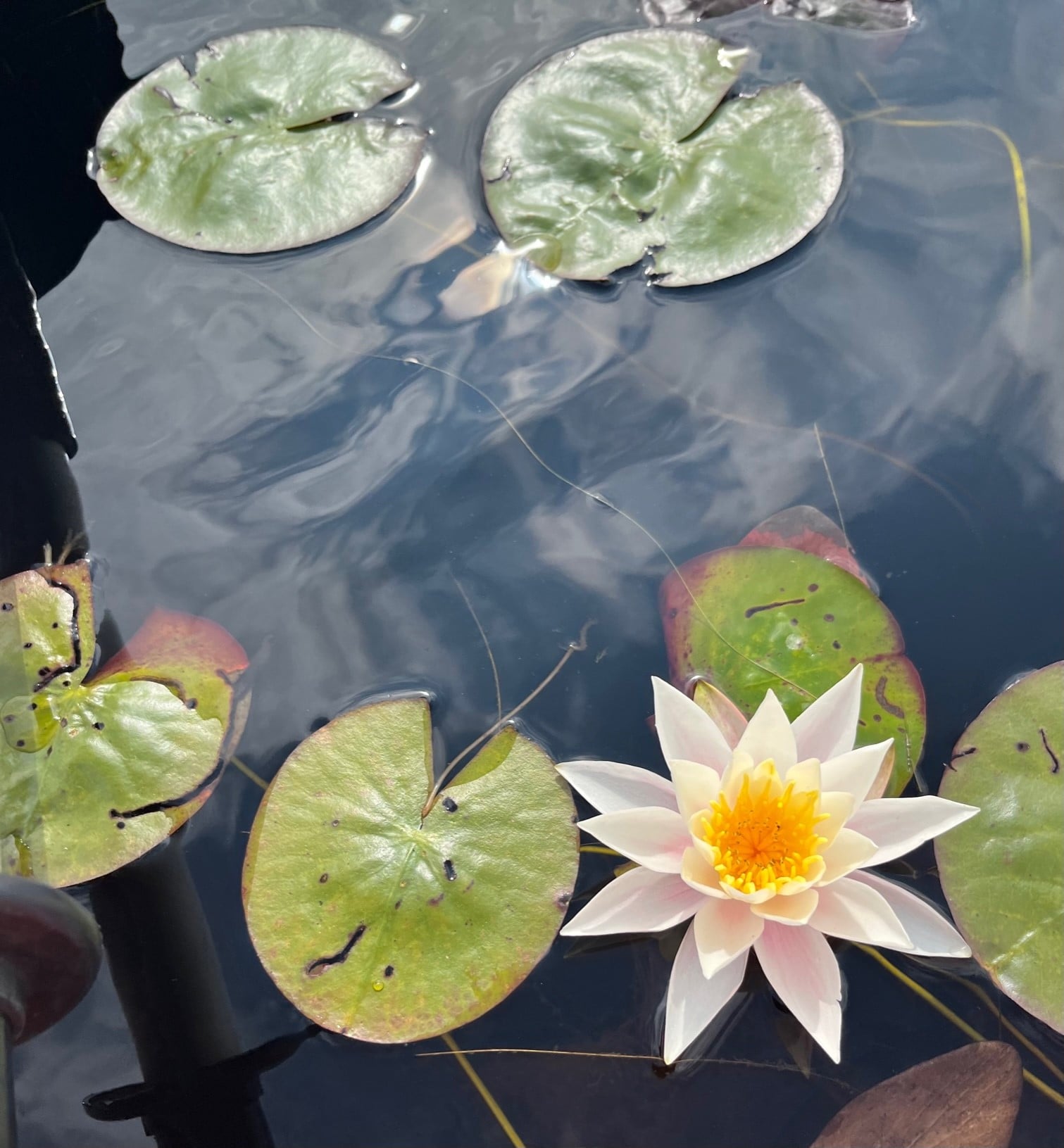
Webinar: Know Your Floating Leaf Plants
Know Your Floating Leaf Plants Webinar Quick Links “Know Your Floating Leaf Plants Webinar” Date: October 19th, 2023 Recording available Lake Stewards of Maine will host a webinar titled “Know Your Floating Leaf Plants” on Thursday, October 19 via Zoom at 9:00 am.
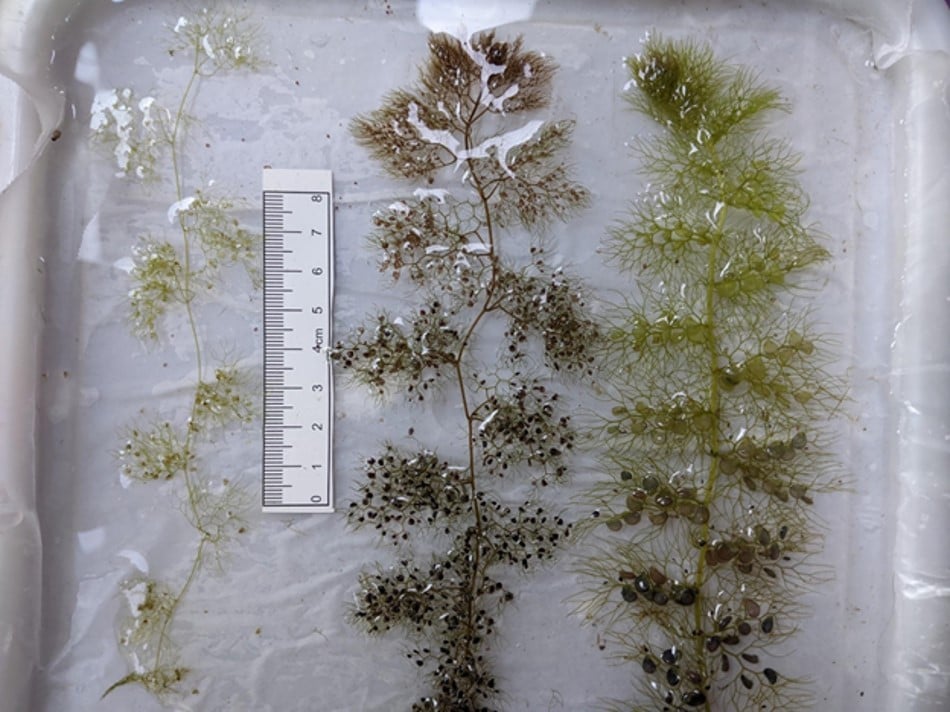
Webinar: Know Your Bladderworts
Know Your Bladderworts Webinar Quick Links “Know Your Bladderworts” Presented by Brett Willard and Christine Guerette. This webinar is designed to teach beginners how to know and identify bladderworts, a genus of common carnivorous aquatic
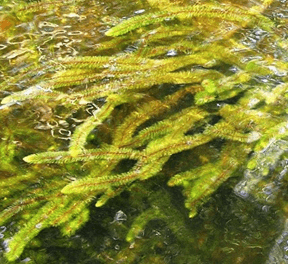
15 Aquatic Invaders
As awareness of this threat to Maine waters has emerged across the state, Mainers have taken swift and decisive action. In 2000, the State of Maine passed legislation that outlaws the sale, propagation, or introduction to Maine waters, of eleven invasive aquatic plants. In 2001 further legislation was enacted, instituting additional regulations, programs and planning requirements…
