




Who to Contact: State Resources
THIS PAGE IS CURRENTLY UNDER DEVELOPMENT, PLEASE BE PATIENT AND LET US KNOW IF YOU BELEIVE THERE IS A TOPICAL AREA OR ORGANIZIATION/PERSON WE ARE MISSING.
Cyanobacteria
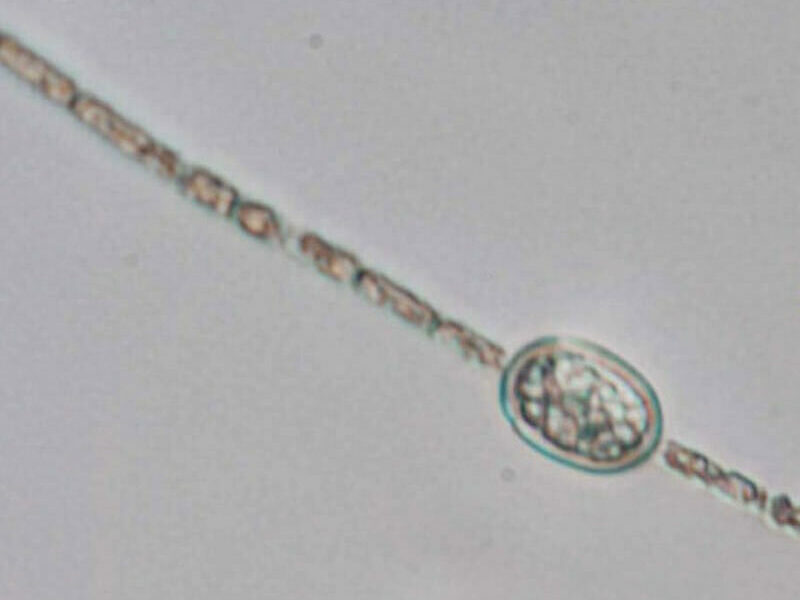
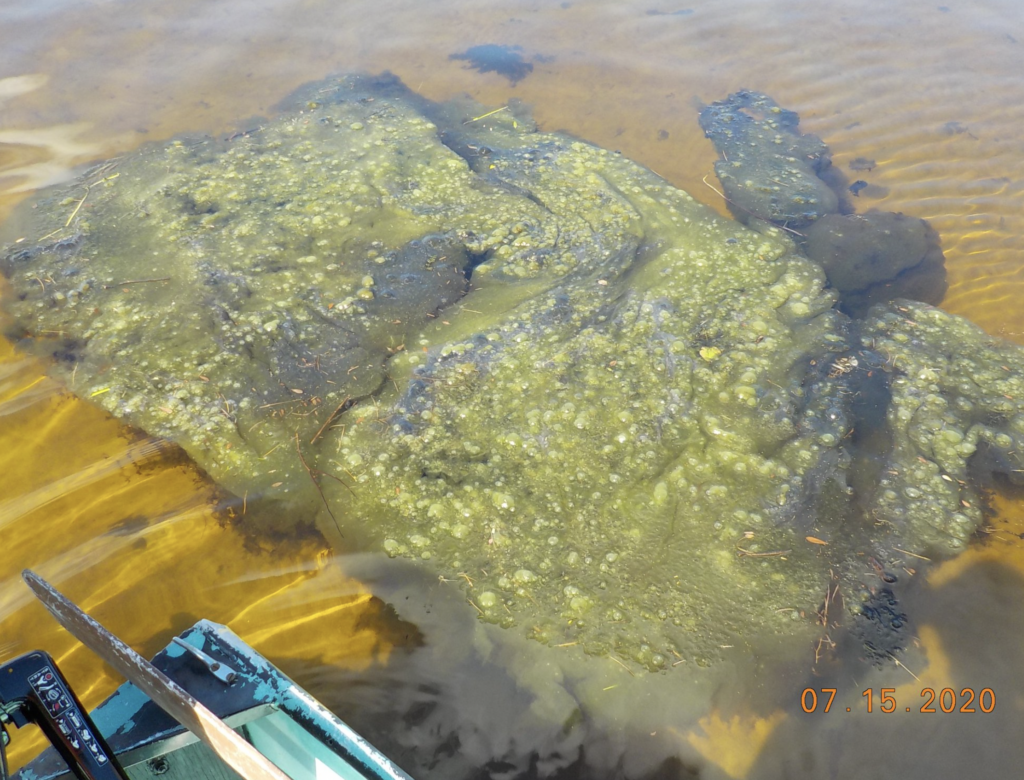
- Patrick Lind is Biologist II with the Lakes Group at the Maine DEP. Their contact number is and their email is . Please contact Patrick and Tristan (stewards@lakestewardsme.org) regarding any cyanobacteria or suspected cyanobacteria sightings in the state.
- Robin Sleith is a Research Scientist at the Bigelow Laboratory in Boothbay. His work in Maine has focused a great deal on cyanobacteria toxin gene pathways and he is a critical member of the Maine Cyanobacteria Working Group. He can be reached at +1 (207) 315-2567, ext. 417 and rsleith@bigelow.org
Water Levels and Dam Safety
- Tony Fletcher is the Acting State Dam Safety Inspector with Maine Emergency Management Association. Their contact number is 207-624-4400 and email is tony.fletcher@maine.gov. You can ask for info such as dam hazard classification and any engineering info that MEMA might have on your dam.
Fisheries
Water Quality
- Jeremy Deeds is the Biologist III for the Lake Group at the Maine DEP. He is a primary resource for issues regarding water quality issues, state-level enforcement issues on lakes, and data related to the lakes. He can be reached at jeremy.deeds@maine.gov or 446-1473.
- Tom Danielson is a Biologst for the Maine DEP. His work focuses on toxics monitoring, including PFAS, heavy metals, pesticides, and other Contaminants of Emerging Concern. He can be reached at thomas.j.danielson@maine.gov or 207-441-7430.
Permitting
Aquatic Invasive Species
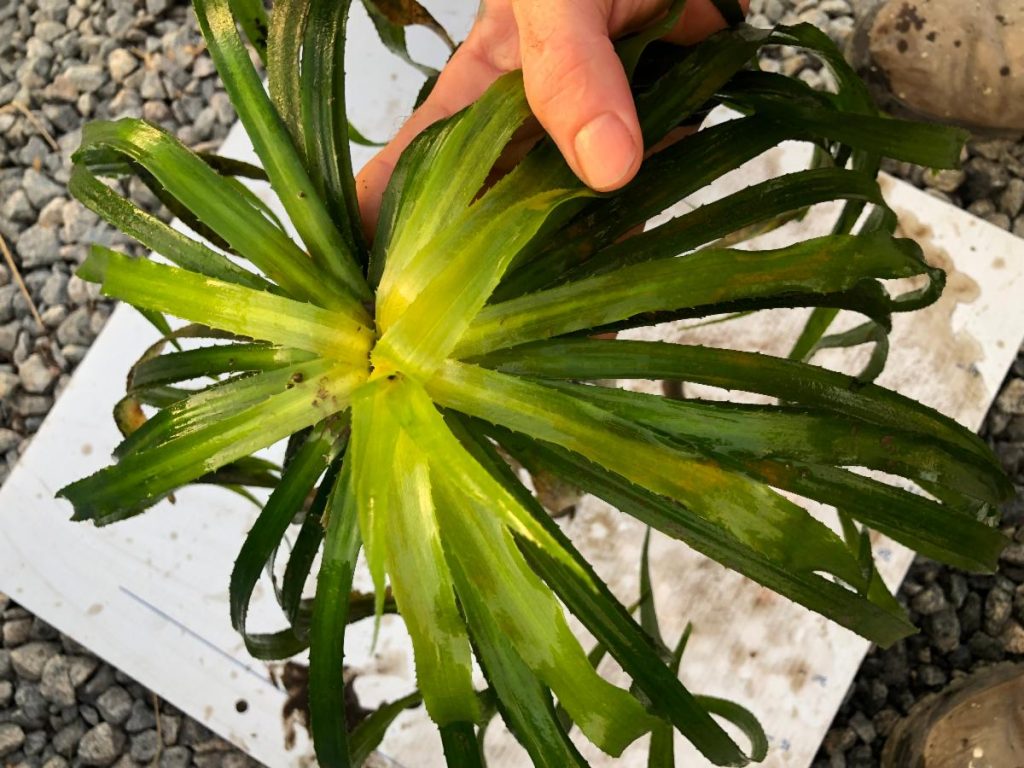
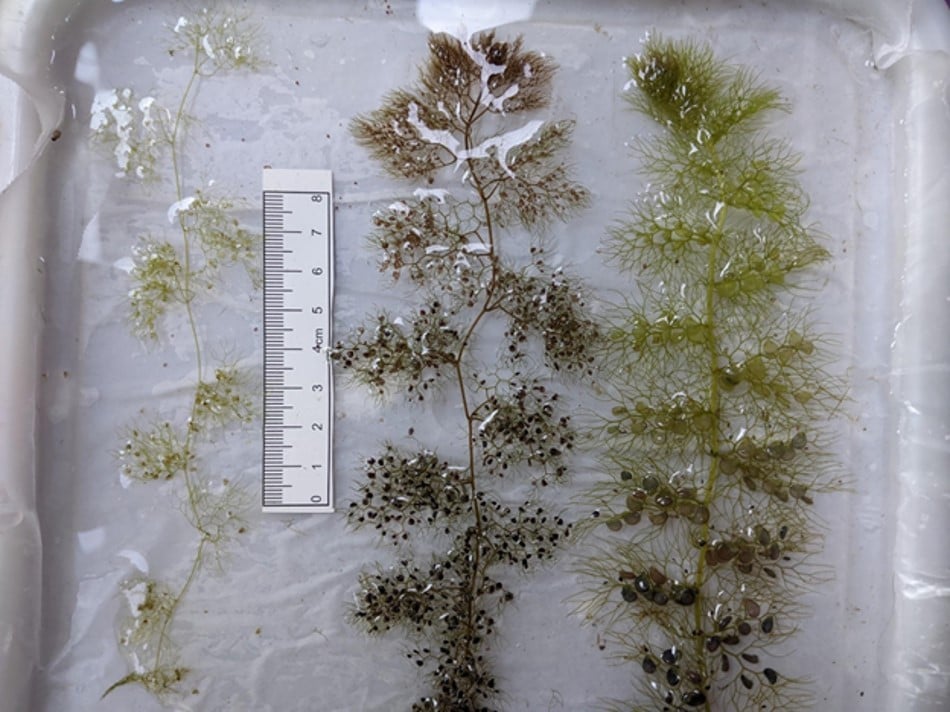
- Christine Gurette is the LSM Aquatic Invasive Species Program Manager. She is an all around good resource and starting point for inquires about aquatic invasive species issues.
- John McPhedran is a Biologist with Maine DEP's Invasive Aquatic Species Program. He is a knowledgeable resource, especially regarding aquatic invasive plants and DEP AIS lake support grants and chemical treatment of AIS. He can be contacted at john.mcphedran@maine.gov or (207) 215-9863
- Dakota Stankowski is the Aquatic Invasive Species Coordinator for the Maine Department of Inland Fisheries & Wildlife. She is the best first stop resouce to speak with about aquatic invasive invertebrets and fish. She can be reached at Dakota.Stankowski@maine.gov or 207-592-0982
Invasive Terrestrial Species
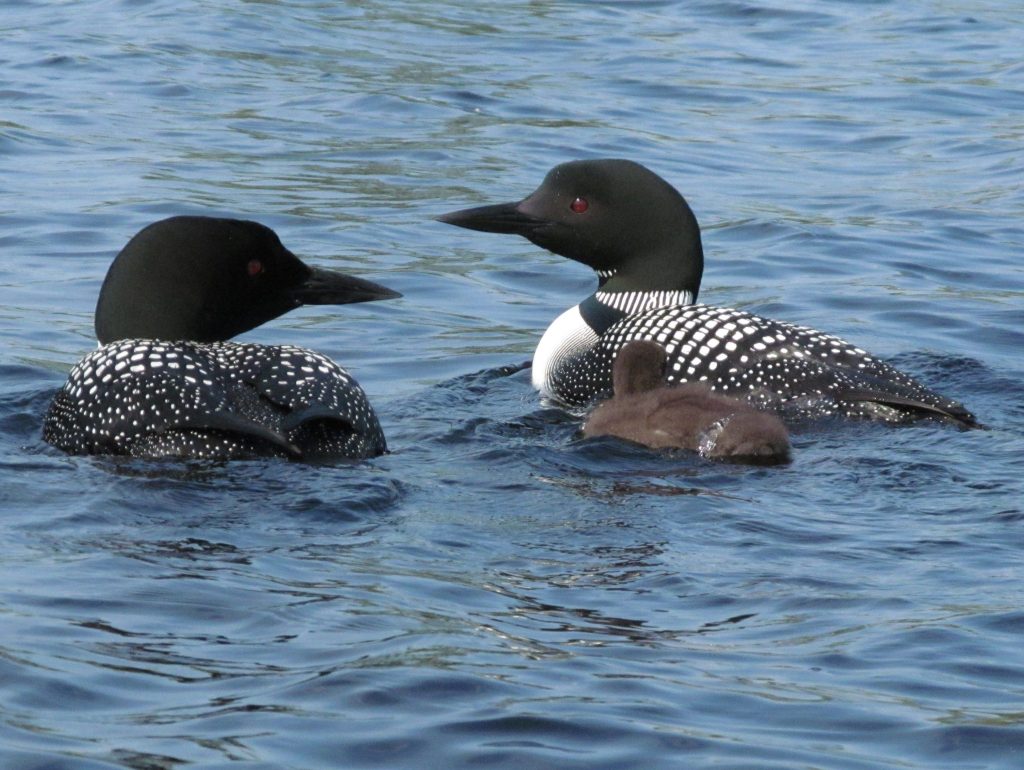
Loons and Wildlife
Waste and Oil Spills
Shoreland Zoning Issues
Flooding and Road / Culvert Washouts
Buoys
- Tim Thurston is the Navigational Aids Supervisor for the Maine Bureau of Parks and Public Lands. Their contact number is 207-582-577 and their email is. If you have questions regarding buoys and buoy placement on lakes in the state, you should contact Tim. In general, one single round orange ball buoy (minimum of 24" diameter), used for monitoring purposes does not need any special permitting. It WILL NEED to have "Monitoring Station" and the lake association name written on it. It cannot be left in the lake overwinter. A subsurface buoy potentially could be left in at 3+ meters depth, but we recommend clarifying all buoy placements with Tim. A "permanent" regulation-style buoy requires a call to Tim and submission of paperwork.
Advocacy
- The Lake Protection Coalition is a collection of organizations (including LSM), supported by individuals and businesses, who are uniting to advance innovative, effective, science-based policy change, including long-term funding for sustaining healthy lakes in Maine. By bringing together those who care about and rely on our lakes, and coordinating and strengthening advocacy efforts, we can meet the many challenges of this moment and protect our lakes, ponds, and freshwaters for future generations. Link to LPC website.
- Maine Lakes is a 501(c)3 nonprofit that (in addition to other activities) advocates on behalf of Maine's lakes at the statehouse. Link to ML website.