




Who to Contact: State Resources
THIS PAGE IS CURRENTLY UNDER DEVELOPMENT, PLEASE BE PATIENT AND LET US KNOW IF YOU BELEIVE THERE IS A TOPICAL AREA OR ORGANIZIATION/PERSON WE ARE MISSING.
Cyanobacteria
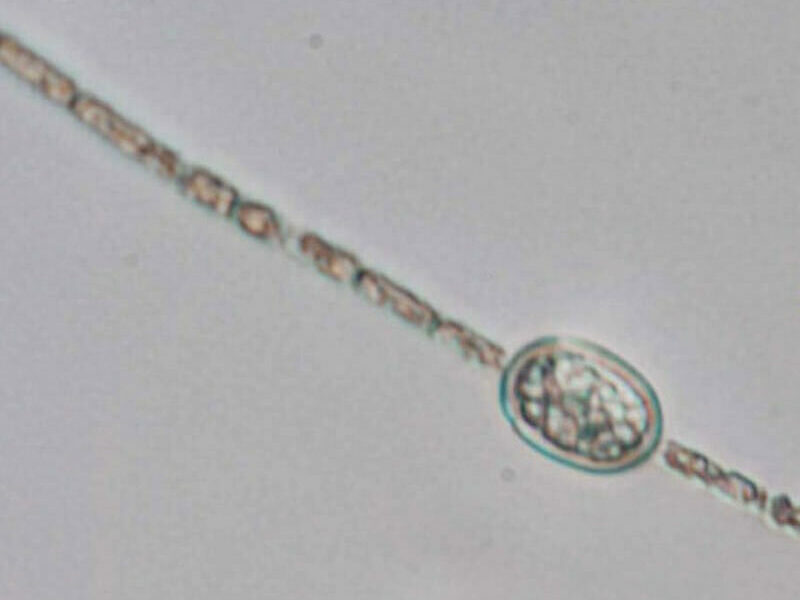
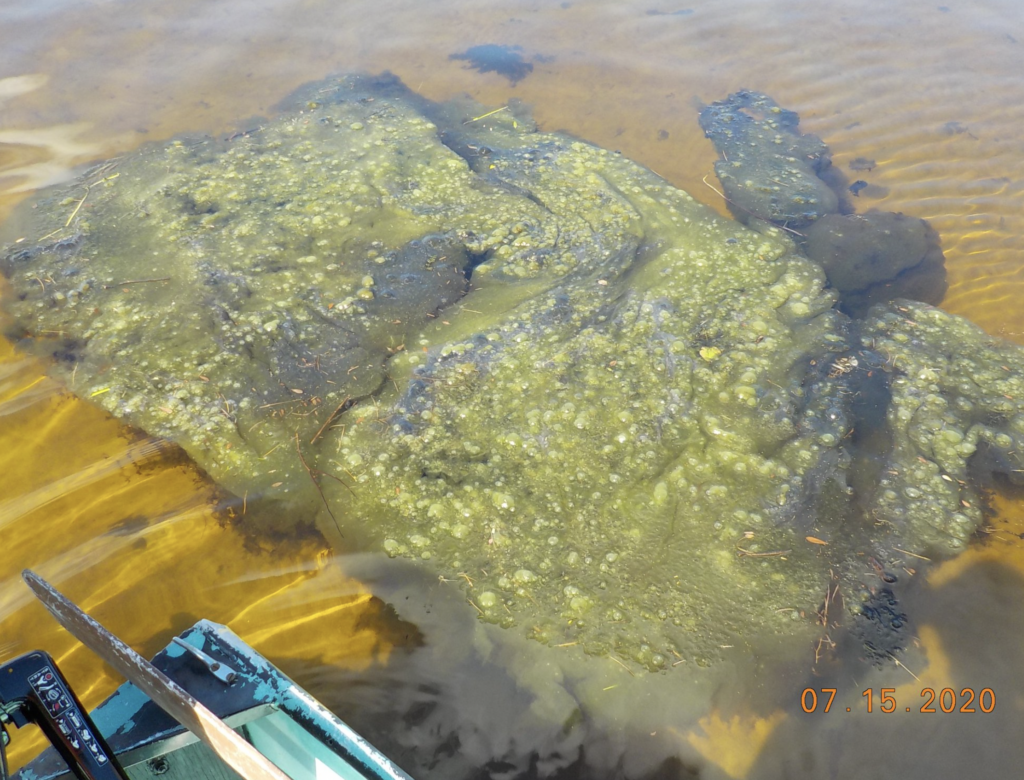
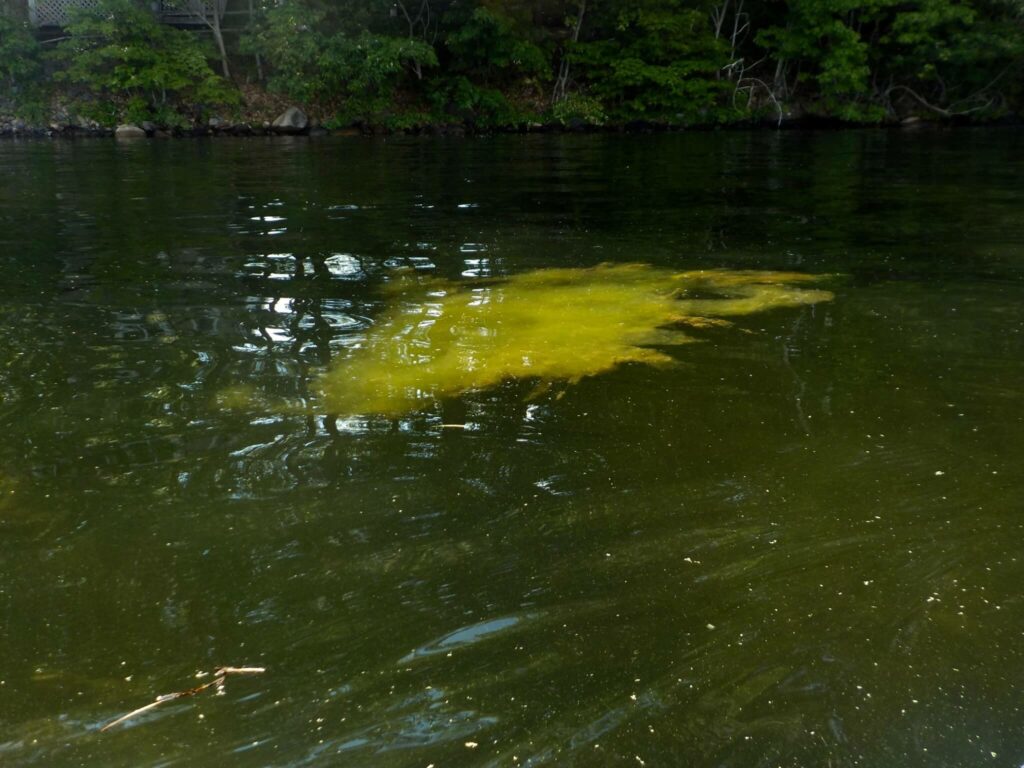
- The Maine Cyanobacteria Bloom Reporting App is available for volunteers, lake associations, and the public to report suspected cyanobacteria blooms. Submit Suspected Blooms here.
- Patrick Lind is a Biologist II with the Lakes Group at the Maine DEP. Tristan Taber is the Water Quality Program Director for LSM. Please contact Patrick (patrick.lind@maine.gov) and Tristan (stewards@lakestewardsme.org) for assistance identifying any cyanobacteria or suspected cyanobacteria sightings in the state.
- Robin Sleith is a Research Scientist at the Bigelow Laboratory in Boothbay. His work in Maine has focused a great deal on cyanobacteria toxin gene pathways and he is a critical member of the Maine Cyanobacteria Working Group. He can be reached at 207-315-2567, ext. 417 and rsleith@bigelow.org
- Maine DEP also published an online dashboard for submitted reports -- both confirmed blooms and those currently being investigated. View the Bloom Report dashboard here.
Water Levels and Dam Safety
- Tony Fletcher is the Acting State Dam Safety Inspector with Maine Emergency Management Agency (MEMA). Their contact number is 207-624-4400 and email is tony.fletcher@maine.gov. You can ask for info such as dam hazard classification and any engineering info that MEMA might have on your dam.
Fisheries
- Maine Department of Inland Fisheries & Wildlife (MDIFW) is the primary resource for questions about Maine's inland fisheries, including fish populations, fisheries management, stocking, regulations, and fish health. They can be reached at 207-287-8000 or info.ifw@maine.gov.
- MDIFW should also be contacted about suspected invasive or illegally introduced fish, including bass "in northern waters", northern pike, bluegill, black crappie, and other species. Never release or move live fish between waterbodies. Suspected illegal introductions or movement of fish should be reported to the Maine Warden Service at 1-800-452-4664.
- For lake-specific fisheries questions, the MDIFW regional Fisheries biologist serving your area can provide information about fish populations, fisheries management, stocking, and individual lakes and watersheds.
Water Quality
- Jeremy Deeds is the Biologist III for the Lake Group at the Maine DEP. He is a primary resource for issues regarding water quality issues, state-level enforcement issues on lakes, and data related to the lakes. He can be reached at jeremy.deeds@maine.gov or 207-446-1473.
- Tom Danielson is a biologist for the Maine DEP. His work focuses on toxics monitoring, including PFAS, heavy metals, pesticides, and other Contaminants of Emerging Concern. He can be reached at thomas.j.danielson@maine.gov or 207-441-7430.
Permitting
- Local Code Enforcement Officers or Planning Staff are typically the first point of contact for building, shoreland zoning, and other local land-use requirements. Within the shoreland zone, additional local standards and permitting requirements may apply. Certain activities in, on, over, or adjacent to protected natural resources may also require a permit from the Maine Department of Environmental Protection (DEP) under the Natural Resources Protection Act (NRPA). Stormwater requirements may also apply to larger development projects or projects that disturb significant areas of land. DEP and other state or federal requirements can vary depending on the location and type of project. State land-use permit applications and publicly available permit records can be found through the Maine DEP's Maine Enterprise Licensing System (MELS).
Aquatic Invasive Species
- Always Clean, Drain, Dry your boat and any fishing or recreational gear.
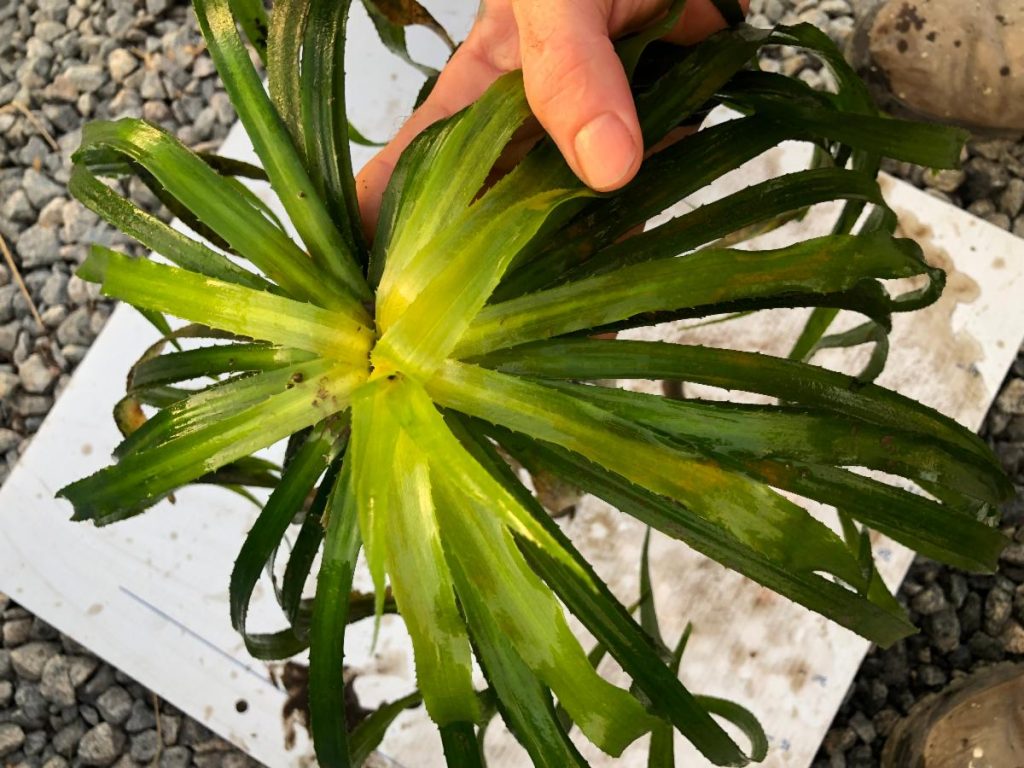
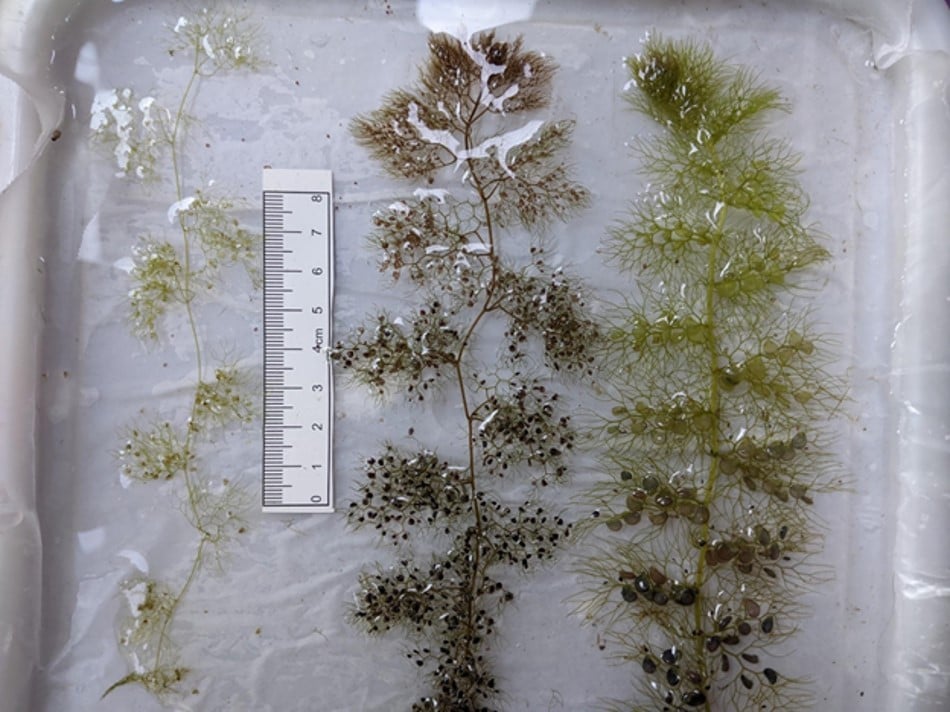
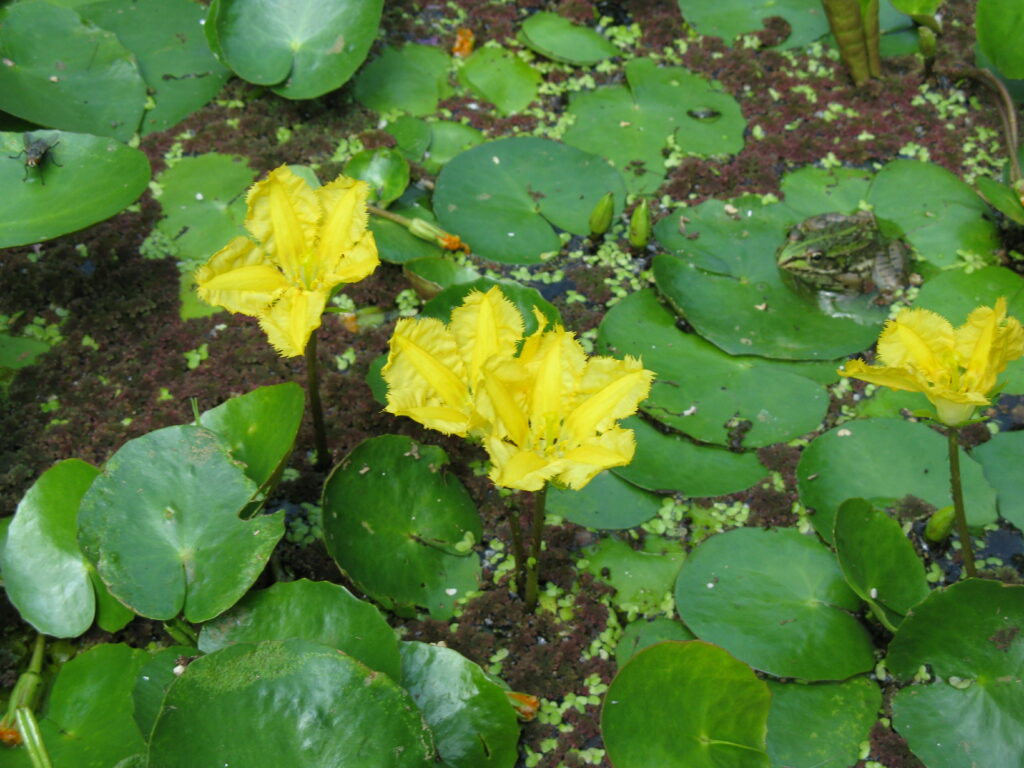
- Christine Gurette is the LSM Aquatic Invasive Species Program Director. She is an all around good resource and starting point for inquiries about aquatic invasive species issues. She can be reached (stewards@lakestewardsme.org) for assistance in identifying aquatic plants and reporting invasives.
- John McPhedran is a Biologist with Maine DEP's Invasive Aquatic Species Program. He is a knowledgeable resource, especially regarding aquatic invasive plants and DEP AIS lake support grants and chemical treatment of AIS. He can be contacted at john.mcphedran@maine.gov or 207-215-9863
- Dakota Stankowski is the Aquatic Invasive Species Coordinator for the Maine Department of Inland Fisheries & Wildlife. She is the best first stop resources to speak with about aquatic invasive invertebrats and fish. She can be reached at Dakota.Stankowski@maine.gov or 207-592-0982
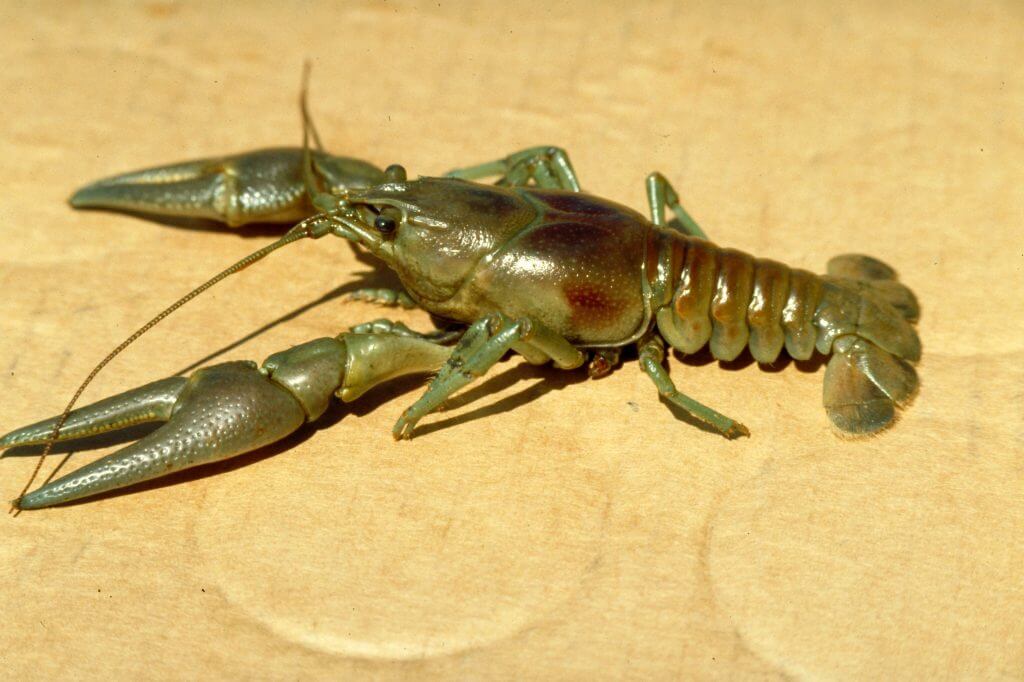
- Karen Wilson, a professor at University of Southern Maine, maintains the Maine Crayfish Project, a long-term effort to document the distribution of native and introduced crayfish species throughout Maine. Questions, observations, and additional resources can be found at the Maine Crayfish Project website.
Invasive Terrestrial Species
- Maine Natural Areas Program (MNAP) is a primary resource for questions about invasive terrestrial and wetland plants, including identification, monitoring, management, and reporting. They can be reached at invasives.mnap@maine.gov or 207-287-8044.
- For invasive insects, the Maine Forest Service's Forest Health and Monitoring Program is the primary resource for invasive forest insects, including hemlock woolly adelgid, emerald ash borer, and Asian longhorned beetle. Suspected sightings can be reported through the Maine Forest Service's invasive species resources. iMapInvasives can be used by landowners, volunteers, and conservation groups to document invasive species occurrences in Maine. Questions about invasive species reporting can be directed to invasives.mnap@maine.gov.
Loons and Wildlife
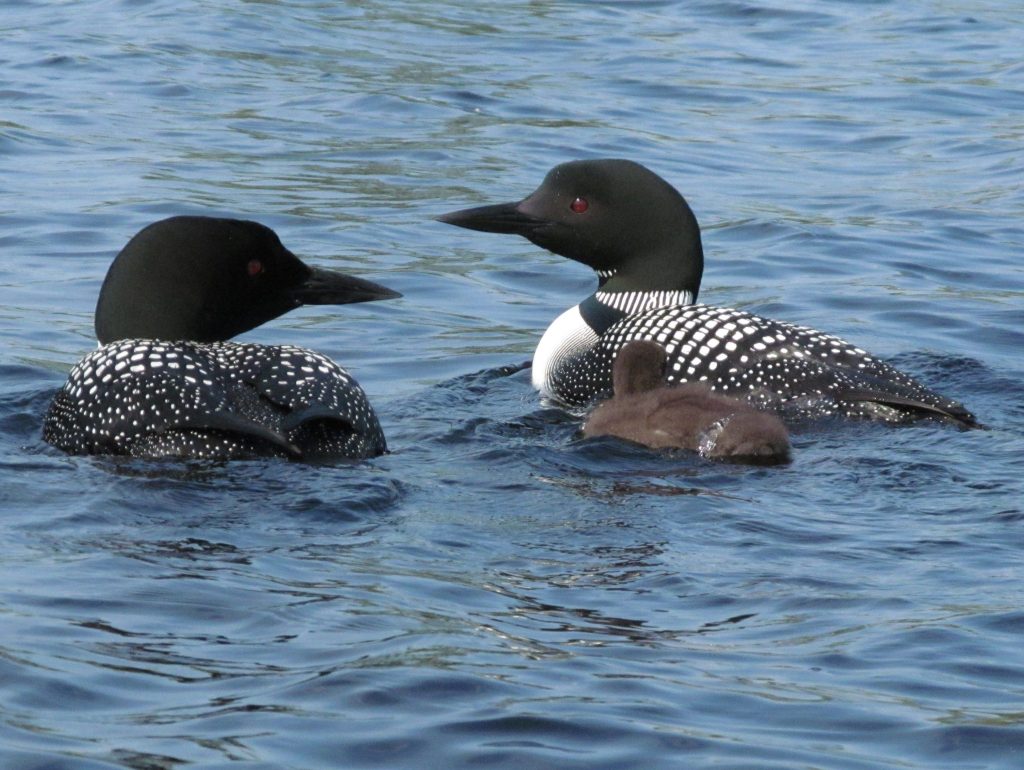
- To learn more about loons and participate in the Maine Loon Project contact Maine Audubon. Nesting issues are also important to report, especially washover of loon nests from boat traffic. Call 207-781-2330 or email conserve@maineaudubon.org.
- For issues related to injured, sick, entangled, or otherwise distressed loons (or other birds) please contact Avian Haven. They are a licensed wildlife rehabilitation facility. They are open daily 9 am to 5 pm, and can be reached at 207-382-6761.
- For general issues related to wildlife and wildlife conflict, please contact Maine Department of Inland Fisheries & Wildlife, by phone at 207-287-8000, or email at info.ifw@maine.gov.
- For immediate issues (24-hour), contact your closest Maine Wardens' Office:
- Augusta: 1-800-452-4664
- Bangor: 1-800-432-7381
- Houlton: 1-800-924-2261
Waste and Oil Spills
- For reporting an oil spill (both aquatic and terrestrial), please contact the Maine Department of Environmental Protection 24-hour Oil Spill Hotline: 1-800-482-0777.
- For spills involving other hazardous materials, please contact 1-800-452-4664.
- Improper disposal of litter is prohibited under Maine law. This includes intentionally throwing, dropping, depositing, discarding, dumping, or otherwise disposing of litter on public lands, roads, and waterbodies, and other prohibited locations, including ice over the water.
- For suspected illegal dumping or improper disposal of solid waste, contact the Maine Department of Environmental Protection (DEP) through their environmental complaint system. Local code enforcement officers or municipal officials may also be appropriate contacts for dumping occurring on local property or roads.
Shoreland Zoning Issues
- Local Code Enforcement Officers are typically the primary point of contact for suspected shoreline, land use, and environmental violations.
- We also encourage reporting suspected violations to the Maine Department of Environmental Protection (DEP) through their online reporting portal: https://www1.maine.gov/dep/mels/hub.html. Click "Submit a Complaint or Incident" on that webpage.
Flooding and Road / Culvert Washouts
- For flooding, road washouts, and damaged or blocked culverts on local roads, contact the town or municipality's road department, Public Works Department, or Road Commissioner. The municipality is generally responsible for local roads and culverts.
- For flooding, road washouts, and damaged or blocked culverts on state-maintained roads, contact the Maine Department of Transportation (MaineDOT). Their general contact number is 207-624-3000.
- For significant flooding or storm damage affecting public safety, transportation, or multiple areas, contact the Maine Emergency Management Agency (MEMA). MEMA can be reached at 800-452-8735.
- For washouts or culvert failures that are affecting a lake, stream, wetland, or other protected natural resource, Maine Department of Environmental Protection (DEP) may also need to be involved, particularly when repairs or sediment removal are proposed.
Buoys
- Tim Thurston is the Navigational Aids Supervisor for the Maine Bureau of Parks and Public Lands. Their contact number is 207-582-5771 and their email is timothy.thurston@maine.gov. If you have questions regarding buoys and buoy placement on lakes in the state, you should contact Tim. In general, one single round orange ball buoy (minimum of 24" diameter), used for monitoring purposes does not need any special permitting. It NEEDS to have "Monitoring Station" and the lake association name written on it. It cannot be left in the lake over the winter. A subsurface buoy potentially could be left in at 3+ meters depth, but we recommend clarifying all buoy placements with Tim. A "permanent" regulation-style buoy requires a call to Tim and submission of paperwork.
Lake Associations, Forming and Governance
- Lake associations are an important component of Maine's lake stewardship. LSM has partnerships with many lake associations and we provide technical support and data management, in addition to training for their local volunteer monitors.
- For information on the formation of a new lake association, Maine Lakes provides a great resource which can be found on their website.
- Maine Association of Non-Profits is a general nonprofit support organization dedicated to "strengthening the leadership, voice and organizational effectiveness of Maine nonprofits."
- For information on forming a road association, and management of roads to support watershed health, the Maine DEP provides guidance documents on their website.
Advocacy
- The Lake Protection Coalition is a collection of organizations (including LSM), supported by individuals and businesses, who are uniting to advance innovative, effective, science-based policy change, including long-term funding for sustaining healthy lakes in Maine. By bringing together those who care about and rely on our lakes, and coordinating and strengthening advocacy efforts, we can meet the many challenges of this moment and protect our lakes, ponds, and freshwaters for future generations. Link to LPC website.
- Maine Lakes is a 501(c)3 nonprofit that (in addition to other activities) advocates on behalf of Maine's lakes at the statehouse. Link to ML website.